
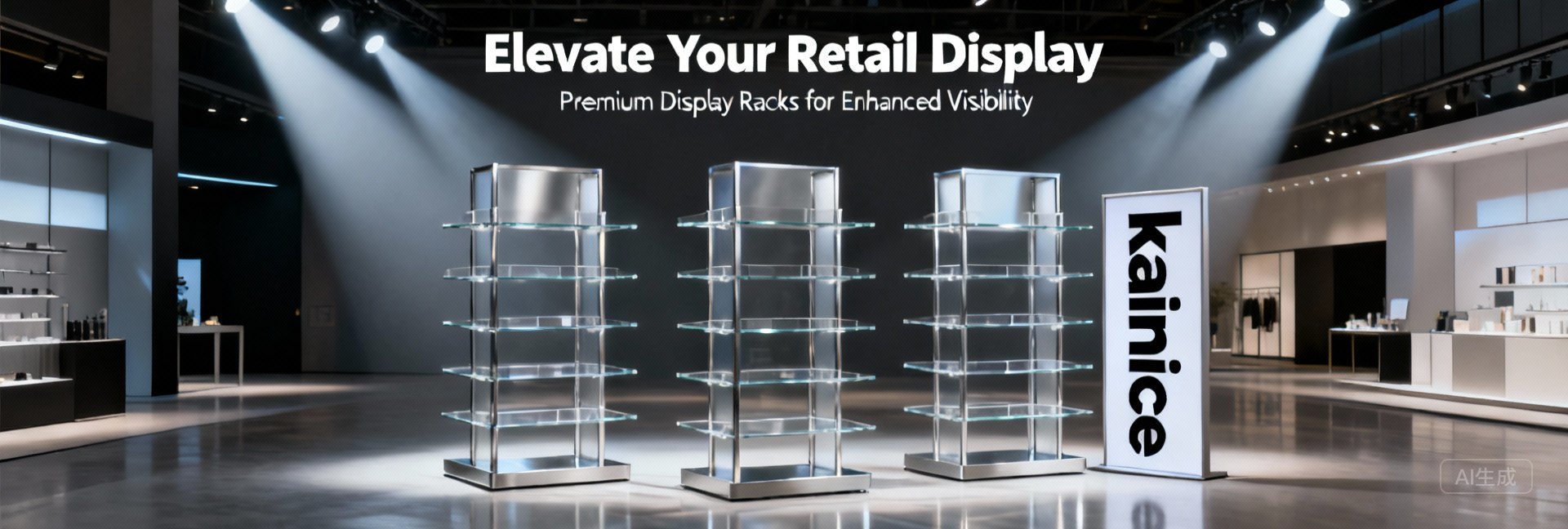
Every clothing retailer eventually runs into the same frustration: good products that shoppers walk straight past. In most cases the problem is not the merchandise — it is the presentation. A well-chosen Apparel Display Stand does the quiet selling work on the shop floor. It directs attention, slows people down, frames price and value, and makes garments easy to browse, touch and compare. For store owners, brand buyers and wholesalers who source fixtures from manufacturers, understanding how these stands work is the first step toward a store layout that actually converts.
Why an Apparel Display Stand Is More Than Store Furniture
A display stand behaves like a silent salesperson. It keeps working while your staff are at the till, restocking or unpacking deliveries. Industry research on in-store merchandising consistently shows that a large share of purchase decisions are made at the point of sale, which means the fixture holding the garment can matter as much as the garment itself. A quality apparel display stand contributes in several concrete ways:
- Visibility: key pieces placed at natural eye level get noticed first, giving new arrivals and hero products a fair chance.
- Outfit context: stands that present a full look — jacket, scarf, bag together — sell an idea, not just a single item.
- Browsing efficiency: open rails and shelves let customers compare sizes, colours and price points without asking for help.
- Space productivity: the right footprint earns revenue per square metre instead of creating dead corners.
- Brand consistency: matching finishes and forms across the store make the whole space feel intentional and premium.
Main Types of Apparel Display Stands
Most stores do not need every fixture on the market — they need the right mix. These are the categories buyers encounter most often when sourcing apparel display stands for retail projects:
- Straight and round garment rails: the workhorses. They carry stock depth, support everyday browsing and suit edited collections on the shop floor.
- Four-way and faceout racks: compact multi-arm units that present colour stories or outfit categories; a classic four-way apparel display rack for tops and outerwear.
- Wall-mounted apparel display systems: adjustable bars, shelves and hook panels that turn perimeter walls into flexible selling space.
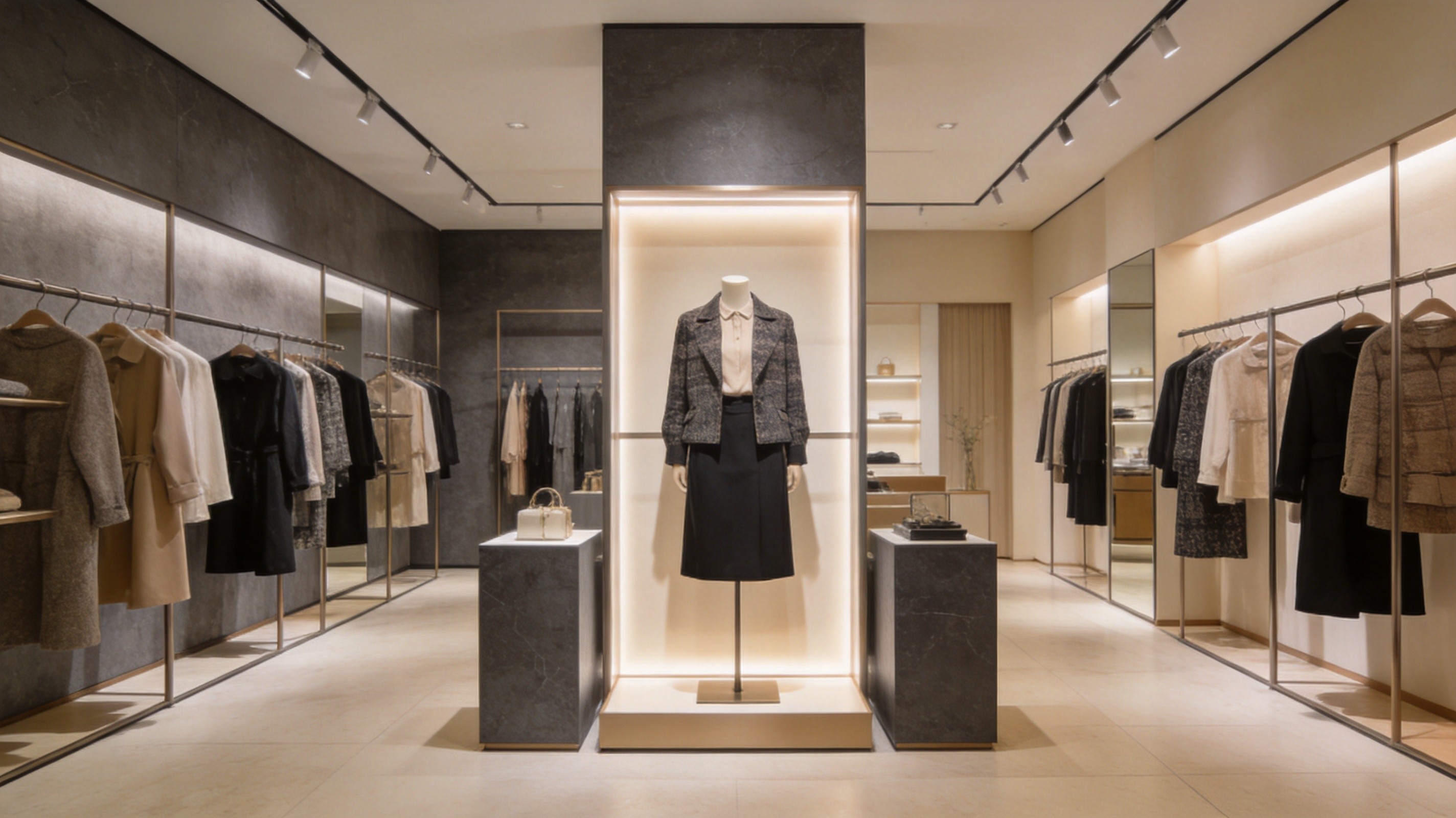
- Mannequins and body forms: hero presenters that show shape, proportion and fit direction — ideal for window zones and focal points.
- Nesting tables and tiered shelving: perfect for folded denim, knitwear and stacked basics with a clean, architectural look.
- Spinner and accessory stands: rotating or countertop units that squeeze high visibility out of a small footprint for socks, belts and small add-ons.
Materials and Craftsmanship That Decide Lifespan
Materials tell you what a stand is built to survive. A cheap fixture rarely stays cheap — it either gets replaced early or your staff spend months compensating for wobble, chips and sagging shelves. When comparing quotes from suppliers, check the specification behind each custom apparel display stand:
- Powder-coated steel tube: the industry standard for permanent fixtures; look for even coating thickness and a finish that resists scratches and fingerprints.
- Stainless steel: chosen for luxury boutiques and bridal stores; brushed or gold finishes deliver a high-end feel with strong load capacity.
- Solid wood and veneer: warm, tactile surfaces popular in premium menswear and lifestyle stores; joint quality matters more than species.
- Acrylic: transparent or frosted panels that keep visual weight low — effective for floating effects and childrenswear.
- MDF shelving boards: serviceable when correctly specified; confirm thickness, edging and support span so shelves do not bow under folded stock.
Craftsmanship shows in the details: fully welded joints rather than loose connectors, adjustable levelling feet for uneven floors, reinforced bases on tall uprights, and anti-rust treatment for humid climates. Inspect these before approving a sample.
Matching the Stand to Your Store Format
The best fixture for a 40-square-metre boutique is rarely the best for a flagship store. Fit the hardware to the retail reality, not the catalogue photo:
- Small boutiques: fewer, stronger statements — one or two mannequins, a feature garment display rack and wall-mounted systems to keep the centre open.
- Flagship stores: modular zones that can be re-dressed each season, mixing nesting tables, faceouts and hero plinths.
- Multi-brand and outlet stores: high-capacity rails and tiered shelving that handle depth of stock and fast replenishment.
- Pop-ups and kiosks: lightweight, mobile or foldable stands with locking casters, set up and packed down in minutes.
- Mall island units: double-sided frames with 360-degree visibility, engineered with a wide, stable base for constant foot traffic.
Custom and OEM Options Worth Asking For
Standard catalogue sizes rarely fit a real floor plan perfectly. A capable OEM/ODM apparel display stand manufacturer can tailor the hardware to your concept instead of forcing your concept around the hardware. Typical customization points include:
- Custom dimensions and heights to match ceiling lines and sightlines.
- Colour-matched powder coating or plating aligned with your brand palette.
- Laser-cut or printed logo plates, headers and branding panels.
- Integrated LED lighting for hero zones and window displays.
- Modular connectors so fixtures can be reconfigured as the layout evolves.
- Protective export packaging and flat-pack options that reduce shipping cost.
How to Evaluate an Apparel Display Stand Manufacturer
For B2B buyers, the supplier behind the product matters as much as the product sheet. Before committing to a bulk order for your visual merchandising project, work through a short checklist: review real project cases in your retail segment; ask for a pre-production sample and test its load capacity and finish; confirm welding, coating and packaging quality control steps; clarify MOQ, lead time and whether designs can be kept exclusive to your brand. Factories that welcome these questions — and answer them with drawings, material certificates and photos rather than vague promises — are usually the ones that deliver on schedule and keep your stores looking sharp season after season.