
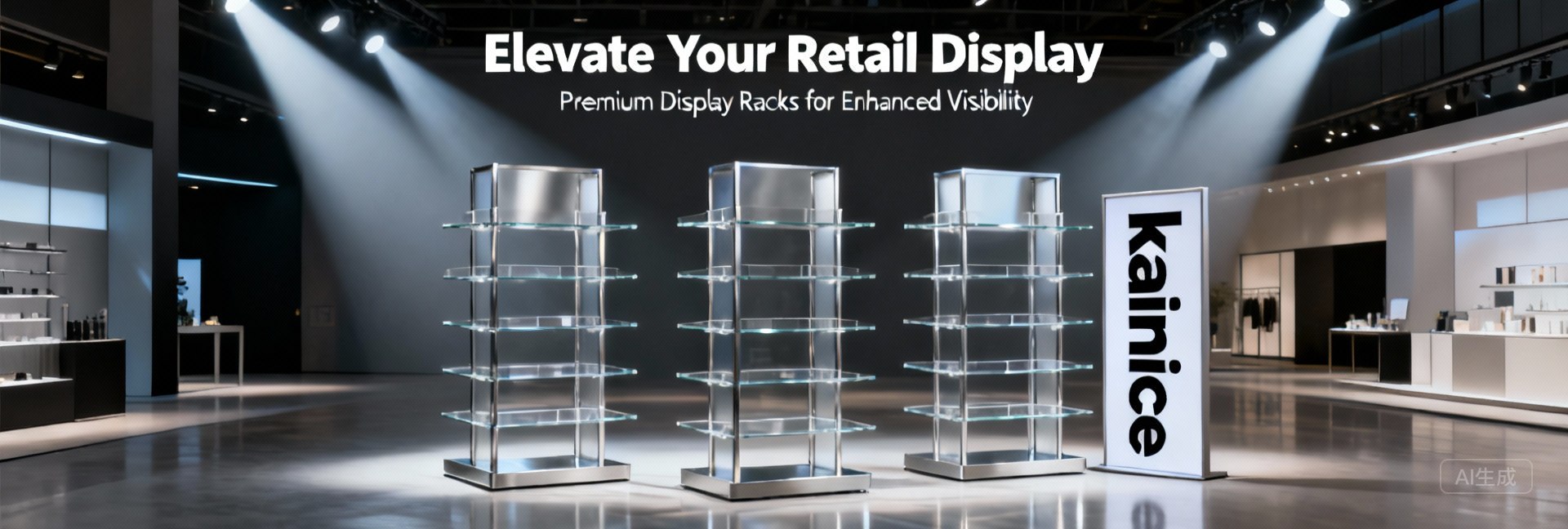
For display rack manufacturers, material selection is a strategic imperative. It dictates not only the structural integrity and aesthetic appeal of the fixtures but also the manufacturer's bottom line. Leading manufacturers act not merely as suppliers, but as architects of profitability, leveraging materials to drive business success.
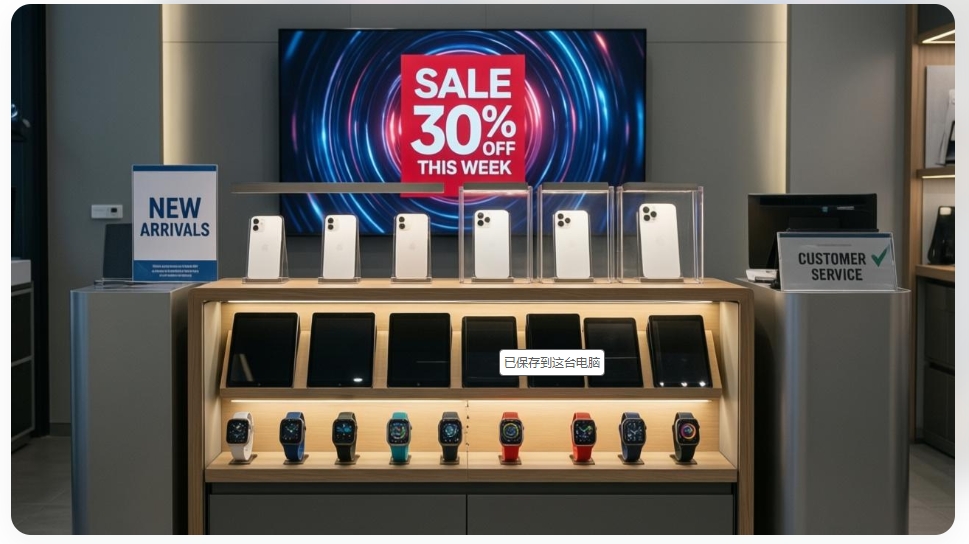
Retail Store Fixture Manufacturers: Crafting Emotional Value with Wood
Wood remains the quintessential choice for display manufacturers, prized for its inherent warmth and authenticity. Research underscores its psychological impact: curved oak platforms are proven to extend customer dwell time, while carved walnut joinery invites tactile exploration. Furthermore, the unique textures of reclaimed wood have been shown to boost social media sharing rates by an impressive 31%.
Top-tier display partners function as material economists, embedding benefit-driven science into every grain pattern. For instance, specifying radial-cut oak in high-theft zones can reduce shrinkage by 19% due to its specific textural properties. Similarly, integrating RFID channels directly into solid maple racks can stabilize inventory fluctuations by 41%. In this context, wood transcends its role as a mere fixture component to become a foundational pillar of brand equity.
Retail Store Fixture Manufacturers: The Engineering Power of Metal
Metal remains a staple in the display industry, with aerospace-grade steel and aluminum leading the way due to their superior engineering strength. Powder-coated steel, featuring scratch-resistant surfaces capable of withstanding over 12,000 abrasions daily, ensures exceptional longevity. Meanwhile, food-grade 304 stainless steel and fire-resistant alloys offer specialized adaptability for diverse environments. Compared to alternative materials, metal delivers unmatched reliability, serving as a guarantor of sustained business value.
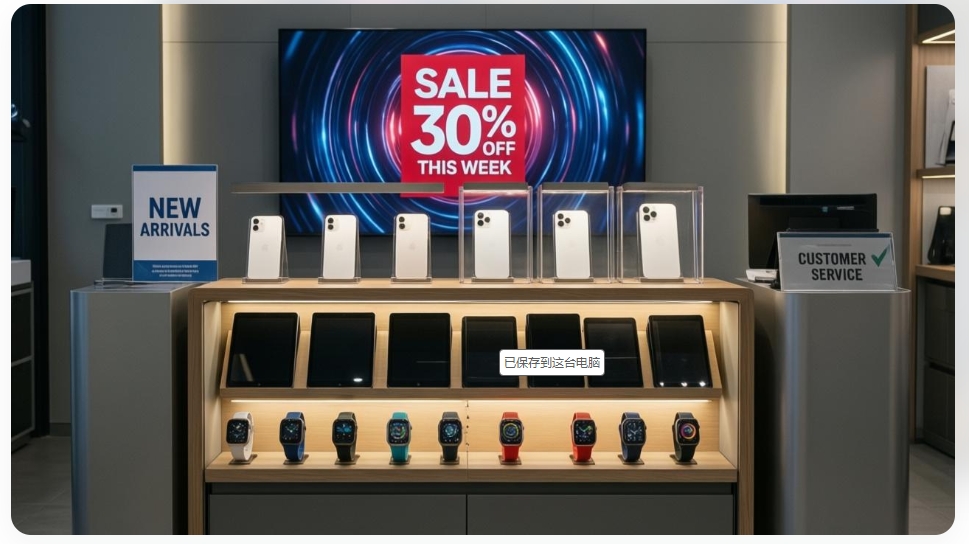
Retail Store Fixture Manufacturers: Acrylic as an Invisible Value-Add
In the modern display landscape, acrylic and glass serve as invisible tools for value enhancement. Industry reports indicate that in the jewelry sector, side-lit acrylic cases offering 360° visibility not only deter theft effectively but also elevate the perceived value of merchandise by 33%. Additionally, aerospace-grade acrylic is 50% lighter than glass, reducing employee injury risks during repositioning by 41%. Its seamless flexibility makes it ideal for high-end sensory engineering, directly contributing to improved product conversion rates.
Strategic Material Selection: How Manufacturers Choose
The optimal material choice is intrinsically linked to the specific industry application. Tempered glass and acrylic dominate jewelry sections for their clarity, whereas FSC-certified oak is preferred in organic retail to instill consumer trust. Metal remains the go-to for heavy-load requirements, while hybrid material combinations are increasingly deployed to meet complex functional needs.
Beyond functionality, the selection process must seamlessly integrate aesthetics and brand identity. Before a consumer even engages with a product, the material itself must communicate the brand's essence. For example, pairing precision-polished stainless steel with minimalist tempered glass exudes avant-garde luxury and technological authority, aligning perfectly with a high-end market positioning through a curated sensory experience.