
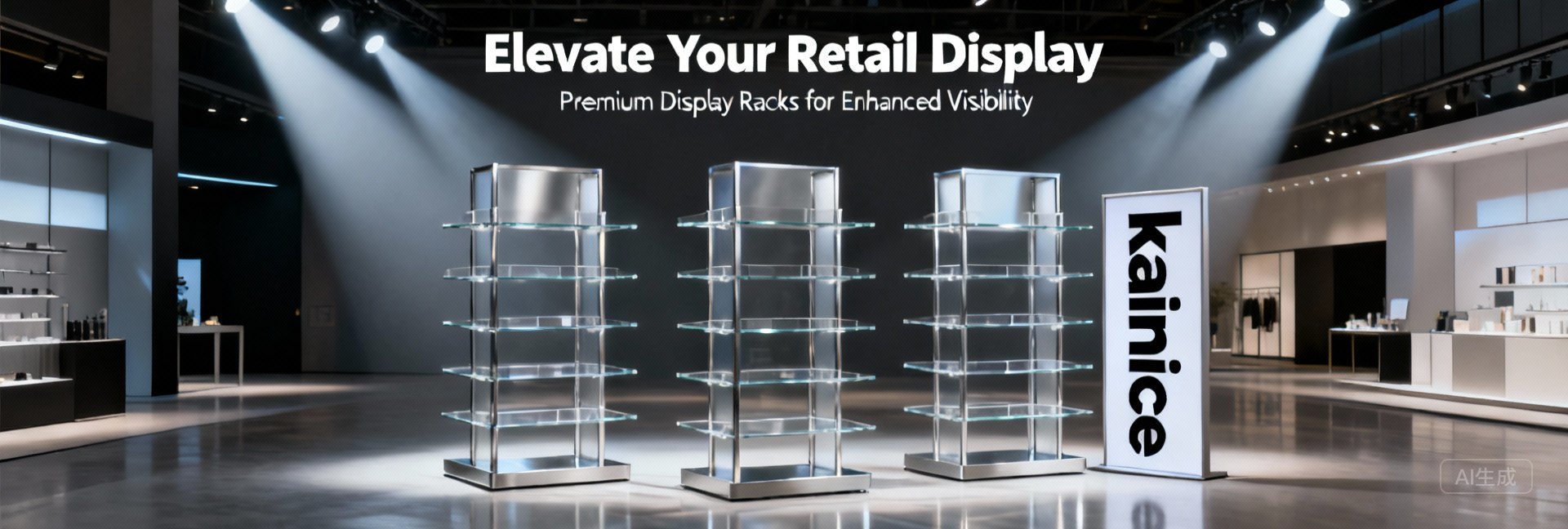
Fifteen years in retail fixture procurement teaches you one thing fast: finding a dependable Wall-mounted Display Shelf supplier is usually a headache. I've drank enough terrible factory tea and argued over enough FOB terms to know the drill. Let's skip the corporate jargon and get straight to the numbers and specs that actually matter when you're ordering these fixtures by the container load.
What is the realistic price range and MOQ for a standard Wall-mounted Display Shelf?
Market pricing is a total mess right now unless you know exactly what you're staring at. Basic clear plastic or acrylic setups? Expect to pay between $0.49 and $0.79 per piece. I was just going over some quotes from Guangzhou Xinhua Display Supplies last week—their minimum order quantity for those transparent floating shelves sits at exactly 100 pieces.
Sounds dirt cheap, right? Hold that thought. The second you switch to a heavy-duty aluminum Wall-mounted Display Shelf, the math flips. You're suddenly dropping $4.50 to $12.00 per unit, heavily dependent on the finish and load-bearing specs. It's a rookie mistake to compare a fifty-cent acrylic lip shelf to a nine-dollar anodized aluminum bracket system.
Buying 100 acrylic pieces at sixty cents each only covers half the real cost. Skip the individual pearl cotton sleeves, and your scratch rate during ocean freight will easily hit 15%. Put it in the PO right now: mandate individual poly-bagging and corner protectors. No exceptions.
How do I avoid the flimsy plastic trap when sourcing an acrylic Wall-mounted Display Shelf?
Reminds me of a boutique owner down in Texas who called me in a panic last year. Her new acrylic Wall-mounted Display Shelf units were bowing right in the middle after barely three weeks on the floor. She’d packed them to the gills with heavy hardcovers and glass perfume bottles.
Turns out the factory cut corners, slipping in 2mm thick acrylic instead of the 5mm she paid for. Keep a digital caliper in your bag when vetting samples. Measure the thickness yourself. If a supplier tries to tell you 3.5mm is the "industry standard," just walk away.
Any retail display holding more than 5 pounds per linear foot demands at least 5mm thick cast acrylic. Forget the cheaper extruded alternatives. The lip design matters just as much, too. A U-shaped storage shelf holds inventory way better than a flat floating setup. I always spec a 15mm front lip. It stops products from sliding off when the shelf gets tilted even a fraction of a degree.
What are the actual lead times and hidden costs for custom aluminum Wall-mounted Display Shelf profiles?
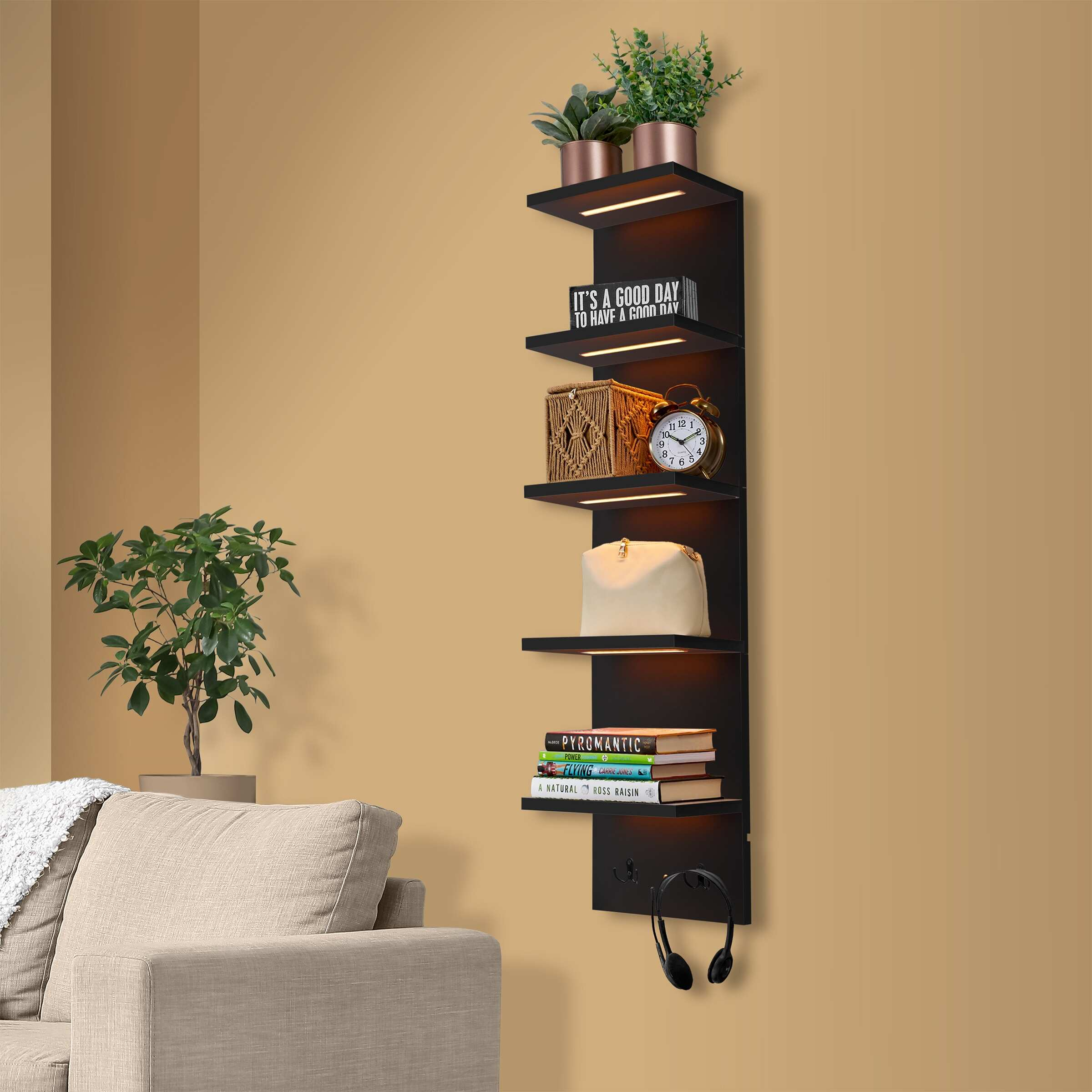
Buyers love the sleek look of aluminum, but they hate paying for the extrusion mold. Stick to off-the-shelf, and lead times for a standard aluminum Wall-mounted Display Shelf usually hover around 20 to 25 days. Request a custom profile or a specific powder-coated color, though? Tack on another 15 days.
Then there are the tooling fees. A custom aluminum die runs anywhere from $300 to $800. I tell my clients to amortize that mold cost across the first 500 units. If a supplier tries to quietly bury the tooling fee inside the unit price, they're playing games. Demand a transparent cost breakdown.
When picking a finish, don't just ask for "black." Specify matte black anodized versus a black powder coat. Anodizing delivers that premium, scratch-resistant metallic finish. Powder coat, on the other hand, chips easily if the aluminum wasn't pre-treated right. Make the factory send a physical color swatch before they run the entire batch.
Which certifications actually matter when vetting a Wall-mounted Display Shelf factory?
Suppliers love slapping every logo they can find on their Alibaba storefront. Honestly? About 80% of those certificates are just PDFs pulled off the internet. If you're sourcing a Wall-mounted Display Shelf for a major big-box retailer, you need real, verifiable documentation.
- ISO 9001: Proves they actually have a basic quality management system in place. It doesn't guarantee a perfect product, but it shows they follow a process.
- SGS or TUV Test Reports: Absolutely non-negotiable for load-bearing claims. Check that the report specifically names your exact shelf model, not just some generic category.
- CE or RoHS: Only relevant if your shelves feature integrated LED lighting, or if you're selling into the European market with its strict chemical restrictions.
Grab the certificate number and verify it directly on the issuing body's website. You'd be shocked how many supposedly ISO-certified factories fail that basic five-minute check.
What is the most common mistake buyers make when ordering a heavy-duty Wall-mounted Display Shelf?
They completely forget about the wall and the mounting hardware. I watch buyers spend weeks perfecting the specs of a steel and wood Wall-mounted Display Shelf, only to open the cartons and find the factory shipped it with cheap plastic drywall anchors.
Mounting into commercial drywall? You need heavy-duty toggle bolts or molly bolts. Going into concrete or brick? Proper expansion anchors are mandatory. Last year, a client's entire display collapsed in a busy grocery store because the factory included 1-inch screws meant for particleboard instead of the 2.5-inch screws needed for real structural support.
Specify the exact mounting hardware in your purchase order. I'm talking down to the screw length and material grade. Demand a load test video before they ship the goods. Have them load the shelf to 150% of your maximum expected weight and leave it sitting there for 48 hours. If it deflects more than 3 millimeters in the center, reject the entire batch.