
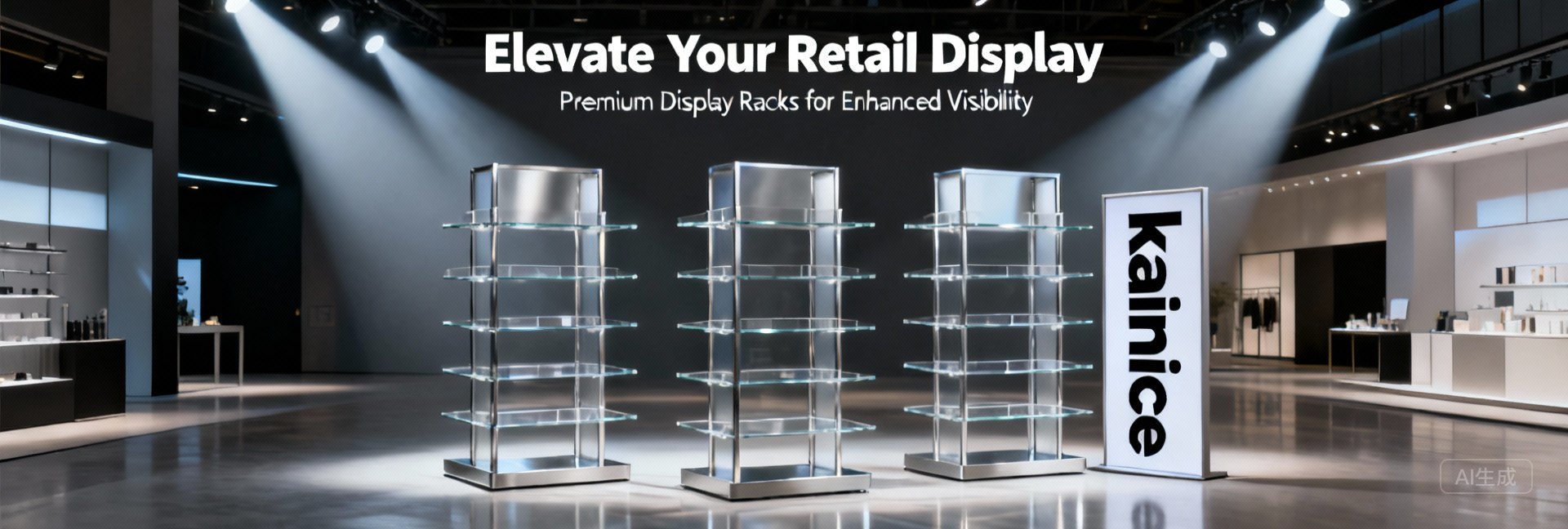
In high-traffic retail environments and modern commercial stores, selecting a heavy-duty, precision-crafted Floor Standing Apparel Display directly impacts merchandise visibility and brand authority.
The Anatomy of Retail Fixturing: Lessons from the Factory Floor
I’ve spent the better part of two decades standing in front of CNC lasers and powder-coating booths. I’ve seen thousands of displays go from raw steel coils to the showroom floor. If there is one thing I’ve learned, it’s that retail fixtures are not just furniture; they are silent sales associates. If they fail, they don't just look bad—they lose you money and put your customers at risk. When we talk about a floor standing apparel display, we aren't just talking about metal and paint. We are talking about load-bearing engineering.Engineering tolerances for a heavy-duty floor standing apparel display
Most buyers don't think about tolerances until the rack arrives on site and it rocks like a boat in a storm. In my shop, we hold our CNC laser cutting to a tolerance of ±0.2mm. Why so tight? Because when you are assembling a multi-tier apparel rack, even a 0.5mm deviation in a base plate hole alignment compounds as you move up the frame. By the time you reach the top rail, that tiny error becomes a 5mm lean. I remember a client who tried to save costs by sourcing from a shop that claimed "industry standard" tolerances of ±1.5mm. When they tried to bolt the uprights to the base, the holes didn't align. They ended up re-drilling on-site, which stripped the powder coating and exposed raw metal to humidity. Within three months, those joints were rusting. At kndisplay, we enforce a strict ±0.2mm tolerance because we know that a flush-fit connection is the only way to ensure the structural rigidity required for high-traffic retail environments. If your base plate isn't perfectly square, your unit is a tipping hazard waiting to happen. Never compromise on the geometry of your foundation.Material selection pitfalls for a custom floor standing apparel display
Here is a hard truth: not all steel is created equal. I’ve seen suppliers use "regrind" steel—recycled metal that contains impurities—to lower their costs. When you bend that material, it develops micro-fractures you can’t see until the rack is fully loaded with denim or heavy winter parkas. Once the weight hits those fractures, they propagate. The frame bows, the finish flakes off, and you’re back in the market for new fixtures in six months. When we build at kndisplay, we use only high-grade cold-rolled steel. For heavy-duty racks, we never go below 16-gauge (1.5mm) for the main uprights. If you are hanging a heavy line of leather jackets, you need 14-gauge (2.0mm) minimum. I once had a client insist on 20-gauge (0.9mm) to save on freight costs. I warned them it would bow under the weight of their inventory. Three weeks later, I got a photo of the display sagging in the middle like a banana. Is saving a few dollars on metal gauge really worth a $10,000 product spill or a potential injury to a shopper? Use virgin steel, choose the right gauge for the load, and stop chasing the cheapest quote.Load capacity testing and freight damage prevention for floor standing apparel display units
Before a single unit leaves our floor, we put it through a static load test. We don't just guess; we hang 50kg (110lbs) per tier and leave it for 24 hours. If it deflects more than 2mm, it’s a failure. We reinforce our weld points using MIG welding with a specific focus on the gussets at the base. Most cheap racks fail at the weld because the heat-affected zone becomes brittle. We use a pulsed-arc setting to ensure deep penetration without overheating the surrounding metal. Then, there is the shipping nightmare. You can build the strongest rack in the world, but if it arrives bent, it’s useless. We’ve moved away from standard bubble wrap. Every piece of our kndisplay units is wrapped in 5mm pearl foam and then secured in double-walled, 200lb-test corrugated boxes. We also perform a "drop test" from 30 inches to simulate rough handling by freight carriers. If the powder coating—which we ensure sits at a consistent 60-80μm—chips during the drop test, we know the packaging isn't good enough. Don't trust a manufacturer who doesn't show you their drop-test results.Hot-bending vs cold-forming techniques in floor standing apparel display manufacturing
This is where the real craftsmanship shows. Many fabricators prefer hot-bending because it’s easier to manipulate the metal. The problem? Heating the metal changes its molecular structure, creating stress risers that make the material prone to snapping under long-term vibration. Think about it: a retail store floor is constantly vibrating from foot traffic and HVAC systems. Those hot-bent joints act like a stress battery, eventually releasing that tension through a crack. At our facility, we prioritize cold-forming radius bends using precision hydraulic mandrels. Cold-forming keeps the grain structure of the steel intact, which is critical for the durability of your apparel display. Yes, it requires more expensive tooling and more experienced operators, but the result is a rack that stays rigid for years. When you look at the radius of a corner on a high-end display, it should be smooth and consistent. If you see signs of heat scorching or uneven wall thinning, that’s a red flag. We hold our cold-forming to strict standards because we want our fixtures to be an investment, not a recurring expense. If you want a fixture that survives the daily grind of a busy clothing store, insist on cold-formed structural members. It’s the difference between a display that lasts a season and one that lasts a decade.
[Figure] Floor Standing Apparel Display commercial showroom deployment & structural details (Fabrication: kndisplay)
Scene: High-end commercial boutique showroom featuring custom heavy-duty Floor Standing Apparel Display (Clothing & Garment Display Racks) with precision diamond-polished finish, 3000K warm directional spotlights, neatly organized merchandise, and 8k architectural photography.
💡 Factory Veteran Tip:
Every retail chain and storefront layout has distinct footprint constraints and load-bearing requirements. Before signing off on bulk Floor Standing Apparel Display manufacturing orders, always demand certified load analysis drawings and a physical sample evaluation. At kndisplay, our engineering team provides free prototype evaluations and B2B fixture consulting for brands worldwide.