
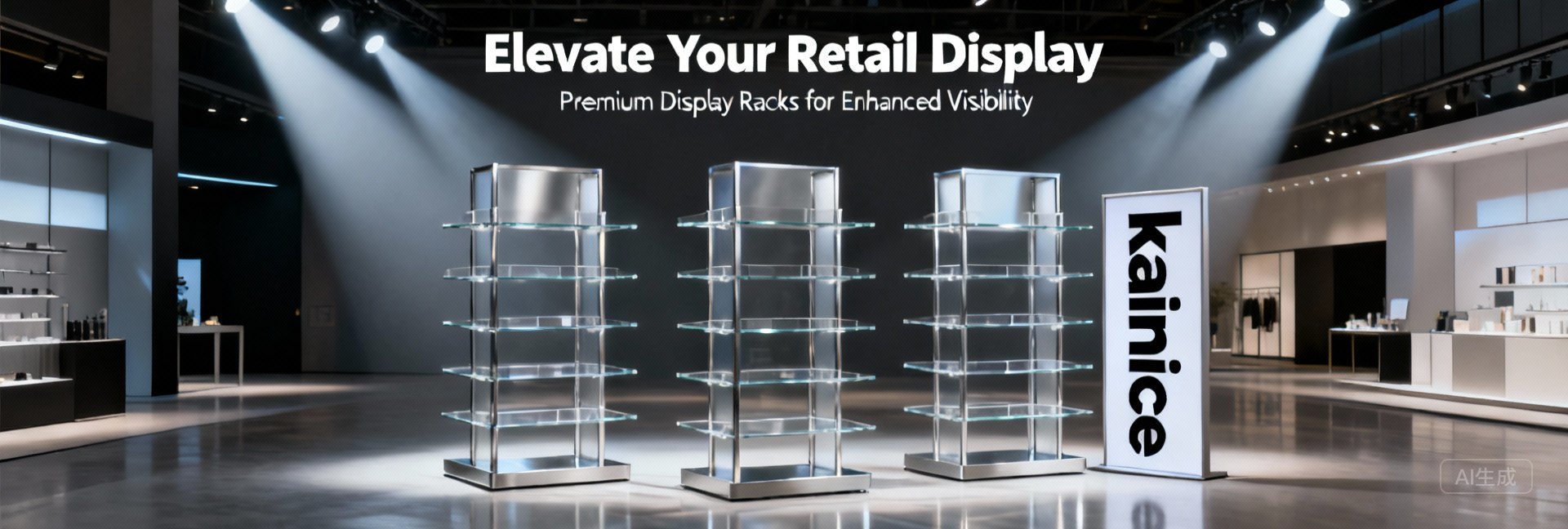
Sourcing a wire display rack for your shops means wading through a sea of cheap imports. They photograph beautifully, sure, but they fall apart the second a customer touches them. I've spent the better part of 15 years walking factory floors out in Guangzhou and Chengdu. Let me tell you, buying retail fixtures without knowing the tricks of the trade is exactly like buying a used car blindfolded.
What is the real cost breakdown when sourcing a custom wire display rack from China?
Let's talk numbers. You spot a base price of 99 to 104 CNY (around $14 to $15 USD) for a basic double-sided metal shoe rack and figure you struck gold. That number? It's just the factory gate rate for a bare-bones unit tied to a 10-unit MOQ.
Want something with more heft? A wood-and-iron combination exhibitor from a shop like Chengdu Xinde Industrial will run you 240 to 329 CNY ($34 to $46 USD) per set. But here is where the real cost trap hides: packaging and loading. Wire racks eat up space. Unless your supplier designs flat-pack packaging specifically around your container dimensions, you're basically paying to ship empty air. Always demand a detailed loading plan before you even think about signing the Proforma Invoice.
How do I avoid the flimsy wire trap when checking supplier quality specs?
Nothing ticks me off more than watching a buyer get burned by thin wire. A supplier quotes you a rock-bottom price, then quietly swaps the 5mm wire you agreed on for 3mm. Sounds familiar?
You have to lock down the exact material grade in your contract. I always push my clients to demand Q235 carbon steel for the main frame. The tensile strength is exactly what you need. For the wire mesh itself, don't settle for anything under 4mm thickness if you're hanging heavy items like shoes or hardware. Pull a sample and bring a digital caliper to the meeting. If they get twitchy about letting you measure it, just walk out.
What is a realistic MOQ and lead time for a freestanding wire grid panel order?
Scroll through Alibaba and you'll see MOQs as low as 10 units for certain items. Look, if you're a small boutique owner in Texas testing the waters for a new pop-up shop, a 10-unit MOQ for a 3-panel folding gridwall works great. But don't expect custom powder coating or branded header signs at that kind of volume.
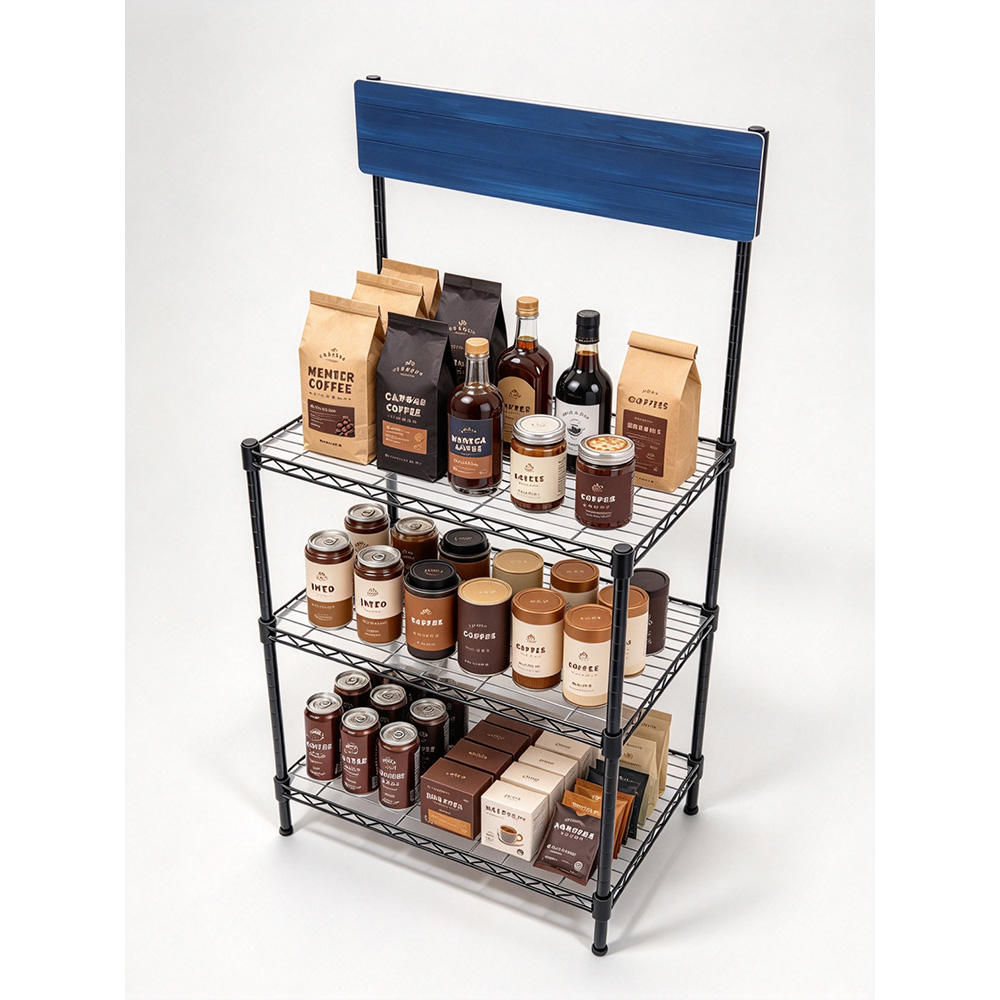
For actual customization, factories usually want a 100 to 300 unit MOQ. As for lead times, loading a standard 20-foot container with mixed wire racks takes about 25 to 30 days to produce. If a supplier promises a 10-day turnaround on a custom order, they're either flat-out lying or sub-contracting to a buddy down the street. And we all know what happens to quality control when that happens.
Which surface treatment actually prevents rust in a high-humidity retail environment?
This is where plenty of procurement managers get it wrong. They see a shiny chrome finish, assume it looks premium, and buy it. But chrome chips. Once moisture hits the bare metal underneath, you get ugly rust blooms that completely wreck your store aesthetic.
My advice? Always go with epoxy powder coating. It gets baked on at around 200 degrees Celsius, forming a tough shell that resists both chipping and scratching. If these racks are heading to a grocery store or a coastal retail shop, make sure the supplier passes a 72-hour salt spray test. Ask to see the SGS or Intertek test report. Don't just take their word for it.
What are the most common customization mistakes buyers make with double-sided wire racks?
When designing a double-sided metal wire shoe rack, the biggest mistake buyers make is completely underestimating the center of gravity. They'll load the top shelves with heavy winter boots and try to balance it all on a flimsy 1.2mm base plate.
That rack is going to tip over the second a customer yanks a heavy boot from the top tier. I had a client last year who nearly faced a lawsuit because of this exact oversight during a big box store rollout. You need a minimum 2.0mm thick base plate. If you're adding casters for mobility, they absolutely must have heavy-duty industrial brakes. Spend the extra $2 per unit on a thicker base and better wheels. It's the cheapest insurance policy you'll ever buy for your retail floor.
How do I verify a factory's actual production capacity versus their trading company facade?
Every single Alibaba profile claims to be a manufacturer with 15 years of experience. Honestly, half of them are just trading companies operating out of a cramped office. If a supplier refuses to share their ISO 9001 certification docs or their business license showing the actual factory address right out of the gate, just move on.
Set up a live WeChat or WhatsApp video call during their actual working hours. Ask them to walk out onto the production floor and show you the automated wire bending machines and welding stations. A real factory has sparks flying, loud noises, and workers in proper uniforms. A trading company will suddenly develop a bad internet connection or tell you the factory boss isn't available today. Know the difference before you wire a 30% deposit to a ghost.